
About this item
Eden Pickled Daikon Radish Is Made Using Traditional Methods Dating Back Centuries. Known As Takuan-Zuke In Japan, The Long White Winter Daikon Are Washed And Sun Dried For At Least Two Weeks Until They Become Dehydrated And Flexible, Concentrating The Sweetness Of The Radish. The Daikon Is Then Separated From Its Dried Leaves And Placed In Huge Wooden Barrels With Layers Of Rice Bran And Sea Salt Where They Are Left To Pickle For Months.
When Ready, The Radishes Are Removed, Sliced, And Packaged With A Small Amount Of Rice Bran Still Covering The Pickles. Rice Bran, Or Nuka Is The Outer Coating Of Brown Rice That Is Removed During The Processes Of Polishing White Rice. The Bran Layer Is Where Most Of The Phytonutrients And Oils Are Located Which Enriches The Daikon During Pickling.
Pickled Vegetables Are Highly Regarded As Nutritious Digestive Aids. Diastase, An Enzyme Produced During Fermentation Is Believed To Stimulate Healthy Appetite And Digestion Especially Of Carbohydrate Foods Such As Grains. Additionally, Lactobacillus, A Probiotic Found In Pickled Daikon Also Helps In Digestion And Maintenance Of Human Well-Being.
The History Of The Daikon Pickle Dates Back To The Seventeenth Century Where Legend Credits The Buddhist Priest Takuan As Being The First To Pickle Whole Daikon In Rice Bran And Sea Salt. Today, Takuan-Zuke Bear His Name In Honor Of His Prized Invention. In Zen Monasteries, The Meditative Oryoki Dinner Concludes With A Piece Of Daikon Radish Being Rubbed Around The Interior Surface Of Your Eating Bowls With Chopsticks Along With Warm Water To Clean Them.
Once The Piece Of Radish And Water Have Reasonably Cleaned The Bowls, The Water Is Consumed And The Pickle Finally Eaten. Nothing Is Wasted. Traditionally Made Eden Pickled Daikon Has A Yellow To Tan Color, With Crisp Texture And Tart Flavor. No Sugars, Synthetic Dyes Or Chemicals Are Used In Their Production.
Eden Pickled Daikon Radish, Takuan-Zuke, Rice Bran And Salt Pickled, Nuka-Zuke
Free shippingSealed and in dateTrackedQuantity
- Sold by KitchenSpreadShips from the United States, tracked all the way to your door.
- Sealed and in date, or a full refundBought new in the USA from the brand or an established US grocer. Opened, past its date or not what you ordered? Tell us within 7 days of delivery.
- Damaged or wrong? Full refund or replacementSend us photos within 7 days of delivery. Returns policy
- Secure checkout with PayPalPay from your PayPal account or by card. Card details go to PayPal, never to us.
Buy it together
Goes well with this item. Each is the same price as on its own page.
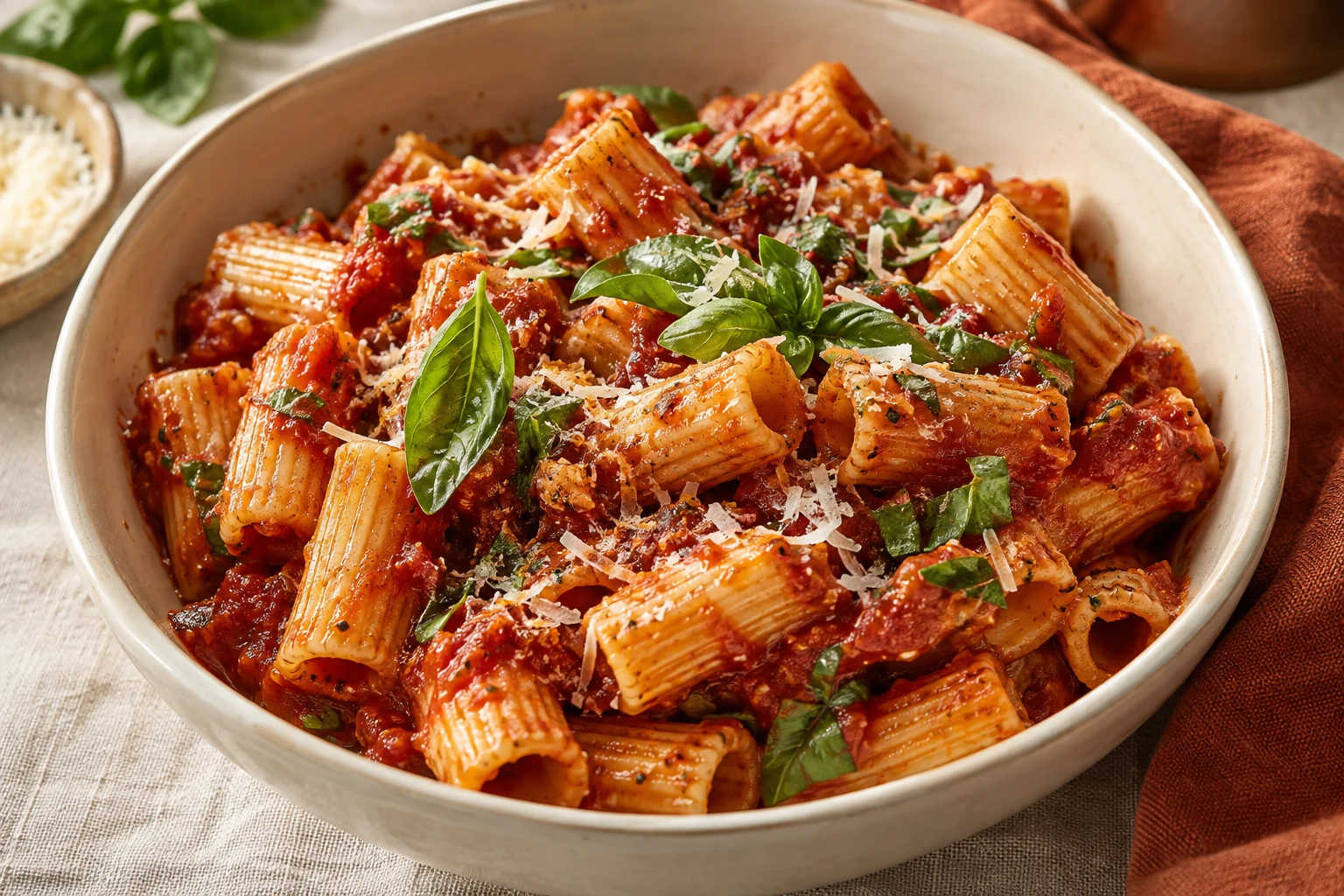
Make a meal of it
A recipe. A basket. A very good evening.
Pick a recipe and we gather the pantry part. Already have something? Leave it out.
Find your next dinnerCommon questions
AUTHENTICITYIs this the maker's own product?
DELIVERYHow long does delivery take?
PRICINGWhat does the price include?
ALLERGENSWhere are the ingredients and allergens?
RETURNSWhat if it arrives damaged or past its date?
Specifications
- Brand
- Eden
- Type
- Ketchup, Mustard & Relishes
- Ships from
- United States
- Shipping weight
- 113 g
- Package size
- 12.7 × 12.7 × 2.5 cm
- Category
- Sauces & Spreads › Ketchup, Mustard & Relishes
- Barcode
- 024182300109


